Discover Bellinzona: Southern Switzerland’s Hidden Gem

While Bellinzona may not be the first destination that comes to mind when considering a trip to Switzerland, this delightful capital of Ticino stands out as one of the country’s most alluring spots. Featuring medieval castles, a warm Mediterranean vibe, and a wealth of cultural heritage, Bellinzona presents an unforgettable combination of history and lifestyle, all set against the breathtaking backdrop of the Swiss Alps.

A City Shaped by Centuries of History

Due to its strategic location, Bellinzona has served as a vital defensive point for centuries. As the gateway to the Alpine passes, it became a melting pot of cultures, armies, and commerce. Visitors can still feel the depth of this historical tapestry in its architecture, winding streets, and well-preserved medieval buildings.

The city exudes a sense of ancient charm while remaining vibrantly alive, harmonizing Italian style with Swiss meticulousness.

The Three Castles: UNESCO World Heritage Icons

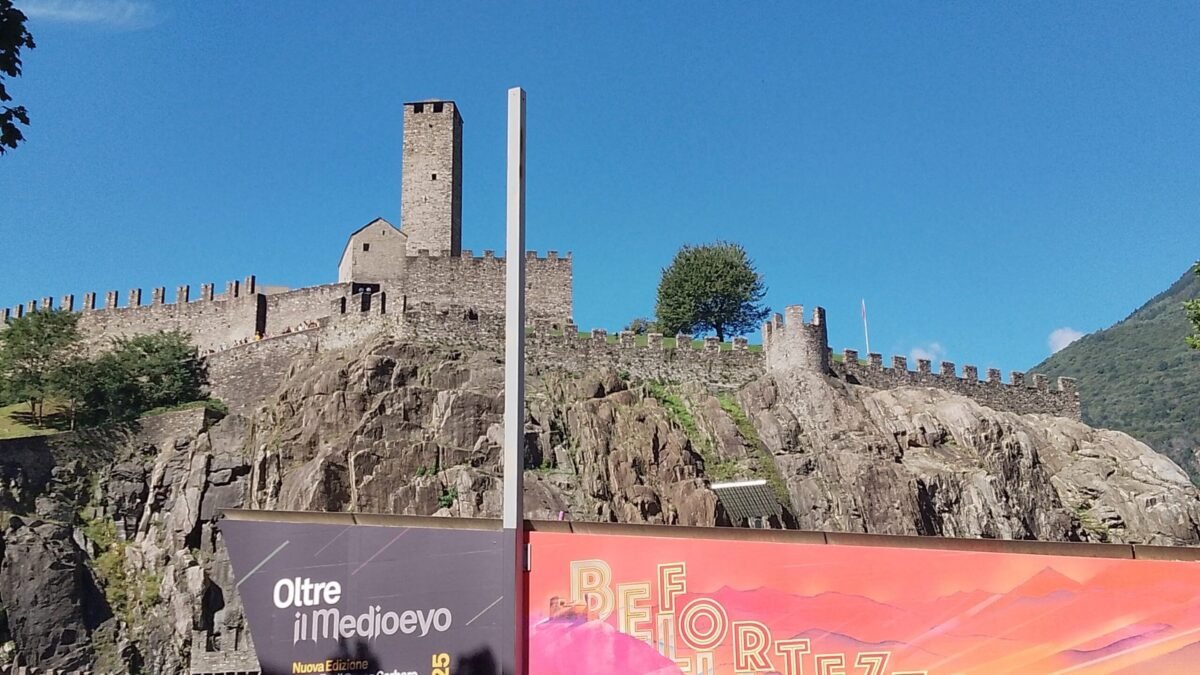
Bellinzona is globally celebrated for its three medieval castles — an impressive network of fortifications recognized as a UNESCO World Heritage Site.

Castelgrande

Dominating the town’s skyline, Castelgrande is the oldest and largest of the trio. Its imposing stone walls, panoramic terraces, and spacious courtyards make it a must-see. From the summit, visitors can take in stunning views of the valley and the rooftops below.

Montebello Castle

Perched on a hillside, Montebello is remarkably well-preserved and offers a glimpse into medieval life. Its museum features weapons, artifacts, and archaeological discoveries.

Sasso Corbaro

The smallest yet most striking, Sasso Corbaro overlooks the city from a high vantage point. The views from this castle are unforgettable, making it an ideal spot for photography and sunset enthusiasts.

Together, these castles create one of the most significant and impressive fortress systems in Europe.

A Taste of Ticino: Food, Markets, and Italian Flair

Bellinzona harmoniously blends Swiss comfort with Italian passion. The city is famed for its bustling Saturday market, a tradition that has flourished for centuries. Stalls brim with:

  • local cheeses

  • cured meats

  • handmade pastries

  • fresh produce

  • traditional Ticino wines

The old town boasts a variety of cozy cafés and restaurants where visitors can savor risotto, polenta, Merlot wines, and other regional specialties.

A Walk Through the Old Town

Wandering through Bellinzona’s historic center feels like stepping into a picturesque postcard. The cobbled streets, pastel-hued houses, fountains, and arcades create a warm and welcoming ambiance. Small boutiques, bakeries, and artisan shops enhance the enjoyment of your stroll.

Be sure to visit the elegant Piazza Nosetto and the charming Via Codeborgo — perfect for those who appreciate slow travel.

Surrounded by Nature

While rich in history, Bellinzona also offers convenient access to nature. Hikers can traverse trails that lead to the hills and woodlands encircling the castles. The area is also close to Lake Maggiore and Lake Lugano, making it an excellent base for exploring the natural beauty of Ticino.

Why Bellinzona Deserves a Spot on Your Travel List

Bellinzona is authentic, tranquil, and full of character — the type of destination that travelers discover once and continue to cherish. Its blend of medieval architecture, southern warmth, and Alpine scenery creates a unique identity seldom found elsewhere in Switzerland.

No matter your interests—be it history, cuisine, photography, or scenic walks—Bellinzona has something distinctive to offer every traveler.

Explore the Colosseum: Rome’s Iconic Landmark Experience

Few monuments around the globe can rival the significance and majesty of the Colosseum. Situated in the heart of Rome, this historic amphitheater has been a witness to emperors, gladiators, enthusiastic crowds, and centuries of change. A visit to the Colosseum transcends mere sightseeing; it’s an immersion into a vibrant chapter of human history.

A Monument Crafted for Spectacle

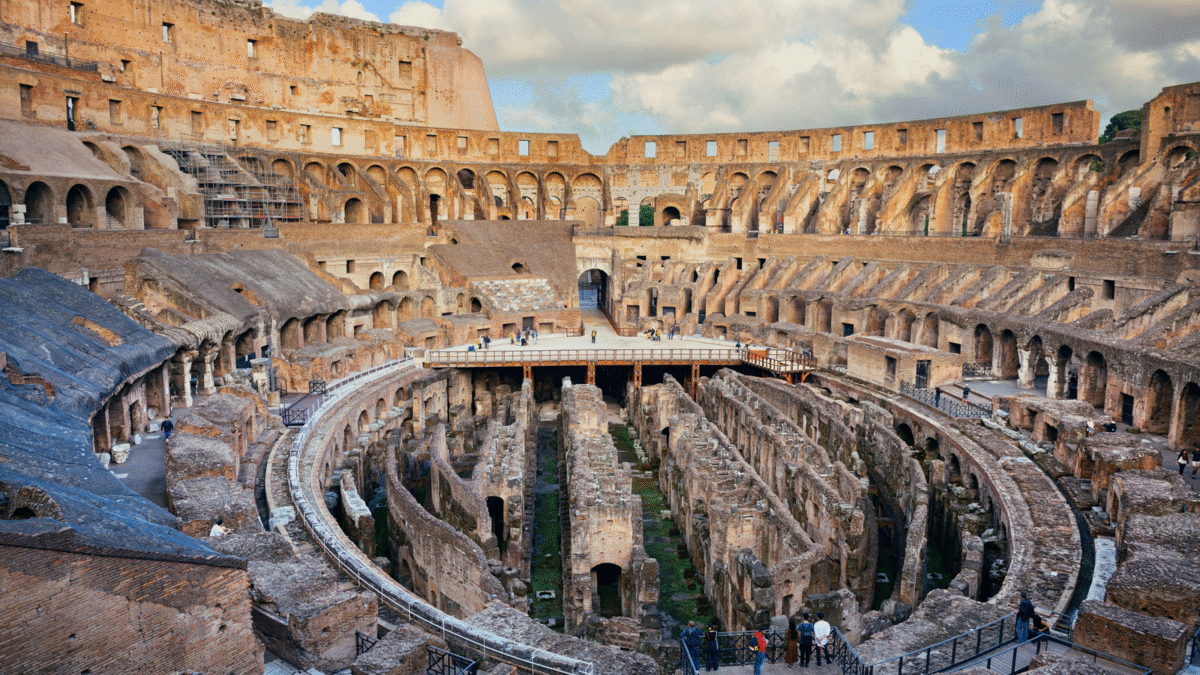
The Colosseum, often referred to as the Flavian Amphitheatre, was completed in 80 AD and had the capacity to accommodate between 50,000 and 80,000 spectators. It was designed for large-scale entertainment: gladiatorial contests, wild-animal hunts, dramatic reenactments, and even mock naval battles.

As you step inside today, the echoes of cheering crowds seem to linger, allowing you to envision the grand performances that captivated the Roman populace.

Timeless Architectural Marvel

The extraordinary aspect of the Colosseum lies not only in its historical significance but also in its remarkable engineering. Constructed primarily from travertine stone, tuff, and concrete, the structure boasts a sophisticated system of arches, corridors, trapdoors, and underground passages known as the hypogeum.

This intricate network once facilitated the swift movement of animals, gladiators, and stage machinery — a true testament to ancient ingenuity.

The Hypogeum: The Hidden Realm Beneath

One of the most intriguing sections is the hypogeum, a maze located beneath the arena floor. In this space, enslaved workers prepared for the events, hoisted animals using wooden elevators, and orchestrated surprises for the audience.

Currently, parts of the hypogeum are accessible to visitors, providing a rare opportunity to explore the behind-the-scenes of ancient Roman entertainment.

A Timeless Symbol of Rome

Despite enduring earthquakes, fires, and centuries of pillaging, the Colosseum stands as a testament to Rome’s resilience. It has functioned as a fortress, a quarry, a Christian shrine, and is now recognized as a UNESCO World Heritage Site, drawing millions of visitors each year.

Its grand arches are an unmistakable representation of Rome itself — embodying power, beauty, and endurance.

Preparing for Your Visit

To enhance your experience:

  • Purchase tickets in advance to avoid lengthy queues.

  • Arrive early in the morning or at sunset to enjoy the best lighting and fewer visitors.

  • Consider a guided or underground tour for access to restricted areas like the hypogeum and upper tiers.

  • Pair your ticket with access to the Roman Forum and Palatine Hill for a comprehensive exploration of ancient Rome.

Why the Colosseum Belongs on Every Traveler’s Bucket List

Whether you’re captivated by ancient history, architectural wonders, or simply wish to feel the heartbeat of Rome’s past, the Colosseum provides an unforgettable experience. It is more than just a monument; it stands as a global symbol and one of the most profound connections to the ancient world.

The Unexpected Rise of “Slow Travel”: Why More People Are Choosing to Explore Less and Experience More

What Is Slow Travel?

Slow travel is a growing movement that encourages travelers to spend more time in fewer places, focusing on meaningful experiences instead of rushing through packed itineraries.
It’s not about seeing less — it’s about seeing better.

Instead of counting countries, slow travelers count moments:

  • The smell of fresh bread from a local bakery
  • A spontaneous conversation with a shop owner
  • The quiet magic of watching a sunset with no rush to be anywhere else

In a world obsessed with speed, slow travel feels like a breath of fresh air.

🌍 Why Slow Travel Is Becoming So Popular

Here are the biggest reasons this movement is exploding:

1. Less Stress, More Connection

People are tired of returning home from vacations feeling… exhausted.
Slow travel lets you settle into a place, understand its rhythm, and experience it like someone who actually lives there.

2. Deeper Cultural Immersion

Instead of running from one tourist attraction to another, slow travelers:

  • Learn local traditions
  • Try authentic food
  • Visit neighborhoods that guidebooks ignore
  • Talk to people who aren’t trying to sell them something

3. Better for the Planet 🌱

Staying longer in one place usually means:

  • Fewer flights
  • Less transportation
  • More sustainable adventures

It’s a small lifestyle shift that has a big environmental impact.

🏡 What Slow Travel Looks Like in Practice

Here are some common habits of slow travelers:

  • Staying in one city for a week or more
  • Choosing trains or buses instead of planes
  • Working remotely from cafés or co-working spaces
  • Exploring neighborhoods instead of tourist zones
  • Scheduling “empty time” to wander with no plan

Some even pick a destination simply because they want to learn a local skill — cooking, pottery, photography, language basics, or traditional crafts.

💬 Why It Might Be Worth Trying

Slow travel allows you to return home not overloaded with photos, but with stories.

You remember:

  • The old man who taught you how to play a local board game
  • The cat that always appeared near your apartment every morning
  • The tiny restaurant where you discovered your new favorite dish

These aren’t experiences you get when rushing through 20 attractions a day.

🌟 Final Thoughts

Slow travel isn’t just a trend — it’s a mindset.
It invites you to be present, curious, and connected to the world around you.

Whether you’re backpacking, taking a honeymoon, or planning a digital nomad retreat, choosing to slow down might be the best travel decision you ever make.